Learn how to use tile water absorption ratings when specifying wet areas, exterior spaces, pools and commercial projects without relying on one number.
Water absorption is useful when specifying ceramic and porcelain tile, but it should never be used alone. A project may also require evidence for strength, wear, surface use, dimensional consistency, chemical resistance, freeze-thaw exposure and the complete installation system.
This guide shows how importers, distributors and project teams can use the rating at the correct stage of product selection. If you first need the BIa–BIII definitions, read Tile Water Absorption Ratings Explained.
Start with the application, not the percentage
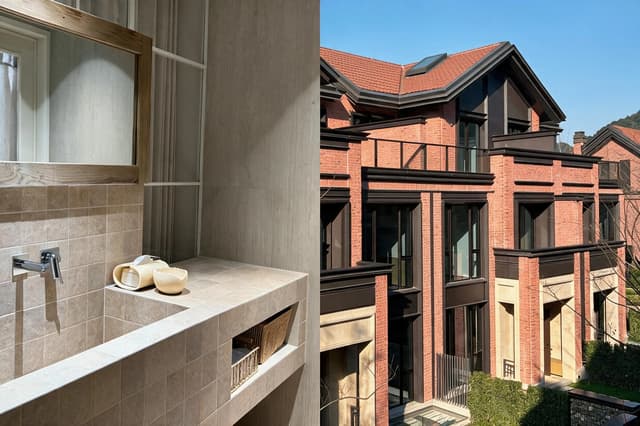
Before requesting a water absorption value, define where the tile will be installed and what it must withstand. Record whether the surface is a wall or floor, interior or exterior, dry or wet, exposed to frost, permanently submerged, subject to chemicals or used under heavy traffic.
The absorption group can then help narrow the product category. It cannot replace a declaration that the exact model is suitable for the intended application.
| Application | How to use the absorption rating | Other information to confirm |
|---|---|---|
| Interior dry wall | Classification is normally one selection factor | Weight, format, substrate, cleanability and fixing method |
| Interior floor | Review alongside declared floor use | Strength, wear, surface use, traffic and installation |
| Bathroom or shower | Do not treat low absorption as waterproofing | Surface, slope, drainage, membrane and maintenance |
| Exterior area | Use as part of environmental review | Climate, freeze-thaw evidence, movement and drainage |
| Pool or submerged area | Confirm the exact system and exposure | Chemical conditions, fixing, joints and specialist guidance |
| Commercial floor | Classification alone is insufficient | Traffic, rolling loads, contaminants, cleaning and replacement plan |
Interior walls and decorative surfaces
For a dry interior wall, appearance, dimensions, weight and fixing conditions may be more important than selecting the lowest absorption percentage. Glazed ceramic wall tile can be practical when the manufacturer declares it suitable for the intended vertical surface.
For kitchens and bathrooms, also consider cleaning chemicals, grout maintenance, penetrations and the substrate. Review indoor ceramic and porcelain tile collections or subway tiles for interior walls only after defining the installation conditions.
Interior floors and wet areas
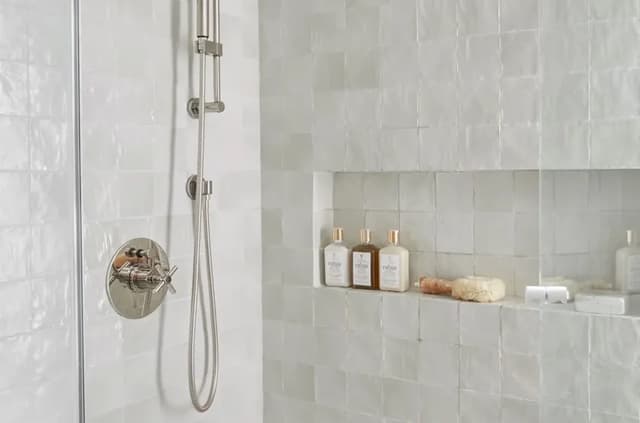
Floor tile must be evaluated for walking-surface demands. Confirm strength, wear and relevant surface-use information in addition to absorption. In bathrooms and showers, soap, water, slope, drainage and maintenance can change the risk conditions.
Tile and grout are not substitutes for a correctly designed waterproofing assembly. A dense porcelain body may absorb little water while the installation still fails at the substrate, membrane, penetration, joint or drainage detail.
The related guide Wall Tile vs Floor Tile: How to Choose for Each Application explains why a visually similar wall and floor product can require different evidence.
Exterior and freeze-thaw applications
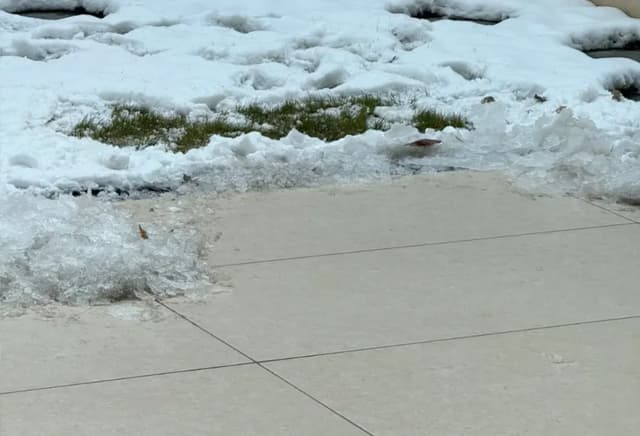
Low water absorption can be relevant to exterior selection because moisture inside a tile may contribute to freeze-thaw stress. It still does not guarantee exterior suitability.
Confirm the manufacturer’s declared use, applicable freeze-thaw testing, climatic exposure, substrate, fixing materials, movement joints and drainage design. The destination market may specify a particular standard, limit or documentation format. Do not convert an interior product into an exterior recommendation based only on a BIa label.
Pools and permanently submerged areas
Pools combine continuous water exposure with chemicals, cleaning, movement and specialist installation requirements. Confirm that the exact tile, adhesive, grout, membrane and joint system are suitable for the pool type and operating conditions.
A water absorption report describes the tested tile body. It does not approve the entire pool assembly or predict the performance of every adhesive and grout combination.
Commercial and high-traffic floors
Commercial spaces introduce foot traffic, rolling loads, tracked contaminants, cleaning chemicals and operational constraints. Water absorption can help classify the tile, but commercial selection also requires appropriate strength, wear and surface-use evidence.
The approved product should be linked to a model code, size, thickness, finish, shade expectation and replacement plan. Review batch identity before shipment so that the delivered material can be compared with the approved sample.
A five-step specification workflow

1. Define the project conditions
Record the application, environment, traffic, contaminants, cleaning method, climate and destination-market requirements.
2. Set the required tile classification
Identify the appropriate absorption group and any separate performance criteria. Avoid using a generic request such as “lowest absorption available.”
3. Match the report to the product
Check the model, body, size, test method, report date and specimen identification. The paperwork must describe the tile being ordered.
4. Review the remaining properties
Depending on the project, request information for dimensions, breaking strength, wear, surface use, chemical resistance, frost exposure or other specified properties.
5. Connect approval to production
Retain the approved sample and specification. Confirm how shade, calibre, surface appearance, dimensions, packaging and relevant documents will be checked before shipment. Our tile quality-control process provides context for this review.
Questions to ask a tile supplier
- Which standard and test method support the stated absorption value?
- Does the report identify the exact model and body being quoted?
- Is the product declared suitable for the intended wall, floor, wet or exterior application?
- Which additional test information is available?
- How is the approved sample connected to production and batch records?
- What documents are supplied for the destination market?
- How are shade, calibre, packaging and replacement quantities controlled?
Clear answers reduce the risk of comparing attractive samples that do not meet the same technical brief.
Join the discussion
Your email address will not be published. Required fields are marked.