A practical guide for importers choosing tile products by climate, application, regulations, customer demand, price point, logistics, and quality.
TILE BUYER GUIDE
A practical guide for importers choosing tile products by climate, application, regulations, customer demand, price point, logistics, and quality.
A tile that sells well in one country can fail commercially in another—even when the product itself is well made.
Climate, housing types, room sizes, construction methods, customer preferences, price expectations, regulations, distribution channels, and installer capability all shape demand. Importers therefore need more than a catalogue. They need a product-selection system.
This guide shows how to build a market-ready tile assortment before committing to a container or private-label programme.
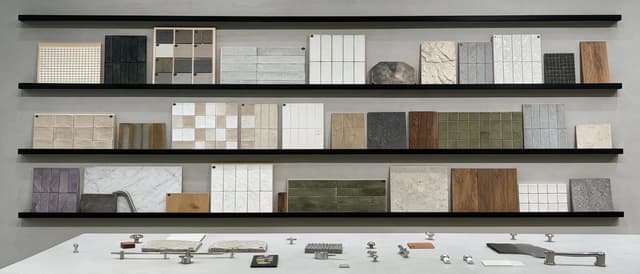
Start With the Market, Not the Factory Catalogue
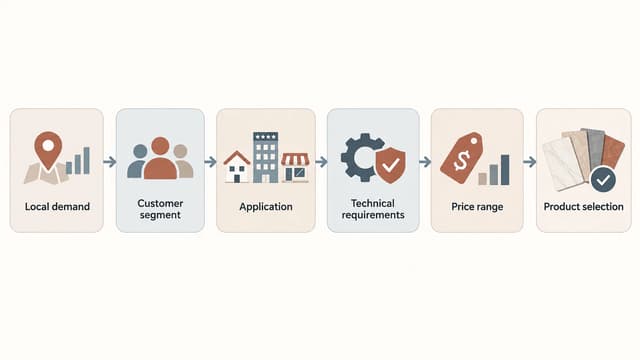
Factories can offer many colours, formats, bodies, surfaces, and packaging options. The buyer's job is not to select the greatest number of designs. It is to identify the smallest range that covers the most valuable local use cases with manageable inventory risk.
Begin by answering five questions:
- Who buys the tile?
- Where will it be installed?
- Which technical and legal requirements apply?
- Which designs, sizes, and price bands already move in the market?
- Can your sales, warehouse, transport, and installer network support the range?
1. Define Your Customer Segments
Avoid describing the target simply as “everyone who buys tiles.” Separate the market into decision groups.
Retail Homeowners
They may prioritise appearance, price per square metre, easy cleaning, availability, and confidence that the tile suits a familiar room.
Contractors and Installers
They care about dimensional consistency, cutting, handling, substrate conditions, laying speed, breakage, batch matching, and reliable replenishment.
Architects and Designers
They may require samples, technical documents, colour consistency, format options, digital assets, project references, and specification support.
Developers and Project Buyers
They focus on compliance, performance, batch consistency, volume, delivery schedule, spare stock, packaging, and commercial risk.
Distributors and Dealers
They need a range that turns inventory, protects margin, fits display space, and can be reordered without unexpected visual or dimensional change.
One product can serve several groups, but its positioning, documents, sample tools, and stock strategy may differ.
2. Map the Main Applications
Estimate demand by application rather than selecting only by colour.
Do not use one general “floor tile” description for every condition.
3. Study Climate and Building Conditions

Climate changes both product selection and installation risk.
Freeze-Thaw Markets
Exterior products require product-specific suitability plus an appropriate installation system. Low water absorption may help, but it does not guarantee exterior performance. TCNA notes that frost-resistant tile can still be damaged when water enters joints or setting-bed voids and freezes. See TCNA's frost-resistance guidance.
Hot and High-Solar-Exposure Markets
Consider thermal movement, substrate temperatures, exterior-use declarations, joint design, colour heat gain, installation timing, and local construction practice.
Humid and Wet Markets
Account for wet interiors, exterior rain, algae or soil, ventilation, cleaning, drainage, and waterproofing systems. Tile alone does not waterproof an assembly.
Sandy or High-Dirt Environments
Abrasive tracked soil can change long-term surface appearance. Align finish and abrasion performance with entrance design and cleaning capability.

4. Confirm Product Standards and Legal Requirements
Technical compliance is market-specific and can change. Identify the current legal framework, designated or harmonised standards, test methods, declarations, labels, languages, importer duties, and record-retention rules before ordering.
ISO 13006:2018 establishes international ceramic-tile definitions, classifications, characteristics, and marking. The ISO 10545 series supplies related test methods. A national market may adopt, modify, supplement, or use another framework.
European Union
The European Commission explains that a Declaration of Performance is central to the Construction Products Regulation and that construction products covered by a harmonised standard require the applicable declaration and CE marking. Review the current European Commission guidance on Declaration of Performance and CE marking.
EU construction-product rules are evolving under the revised CPR framework. Confirm the transition, harmonised technical specification, economic-operator obligations, traceability, and document format that apply when the product is placed on the market. See the European Commission CPR overview.
Great Britain
Great Britain has its own construction-products regime. Current government guidance states which markings are accepted and explains that requirements differ from Northern Ireland. Check the latest UK government construction-products guidance for the shipment date and market.
United States and Canada
North American specifications may reference ANSI and ASTM methods. TCNA lists ANSI A137.1 as the current American National Standard Specification for Ceramic Tile, while ASTM publishes ceramic test methods. Confirm project specifications, codes, contractual requirements, state or provincial rules, and customer documentation separately.
Other Markets
Do not assume that CE, ANSI, ISO, or a previous customer's report satisfies another country. Work with the importer, local laboratory, certification body, customs adviser, project professional, and regulator as appropriate.
5. Build the Technical Product Brief
For every target use, create a written brief that includes:
- Product type and forming method
- Water-absorption group
- Declared wall, floor, interior, exterior, wet, or other use
- Size, thickness, edge, surface, colour, and shade variation
- Breaking-strength requirement
- Glazed or unglazed wear requirement
- Slip-related product-use classification where applicable
- Chemical and stain resistance where required
- Freeze-thaw or thermal requirements where applicable
- Packaging, labelling, barcode, language, and pallet requirements
- Required reports, declarations, certificates, and shipment records
This prevents a sales name such as “premium porcelain” from becoming the entire purchase specification.
6. Match Design to Local Demand
Technical fit gets a product into consideration. Design and price determine whether customers buy it.
Research:
- Leading colours and undertones
- Marble, stone, concrete, wood, terrazzo, decorative, or plain preferences
- Popular formats and grout-joint expectations
- Matt, polished, textured, or other finish demand
- Rectified versus non-rectified preferences
- Residential versus commercial design trends
- Local room size and display limitations
- Competing brands, stocked ranges, and promotional price points
Use dealer interviews, lost-sale notes, project specifications, marketplace searches, showroom audits, installer feedback, and search-demand tools. Semrush can validate search interest, but online volume should be combined with real sales and channel data.
Current Ceraglow designs such as Dace Grey and Gragon and Phoenix can support initial visual comparison. Confirm their current size, surface, body, declared use, and technical data before assigning them to a market segment.
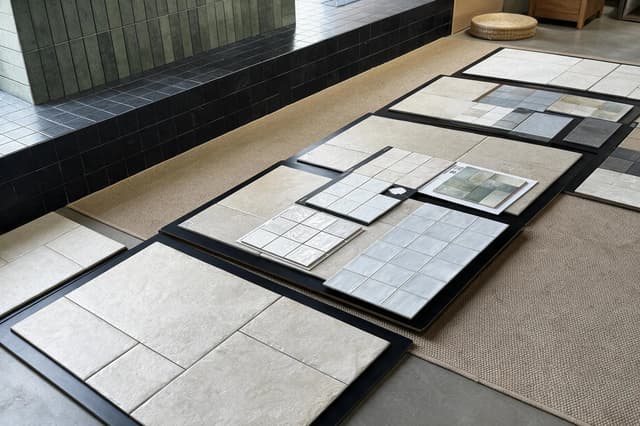
7. Choose a Manageable Size Strategy
Large formats can create strong visual impact, but they affect handling, racks, forklifts, containers, local transport, site access, cutting tools, substrate flatness, mortar selection, and installer skill.
Before adding a format, ask:
- Can dealers display it effectively?
- Can the warehouse handle and pick it safely?
- Can local vehicles deliver it without excessive breakage?
- Do installers have suitable tools and experience?
- Does the average project have enough space to use the format well?
- Can you stock enough related pieces to support repeat orders?
The most fashionable size is not always the strongest commercial choice.
8. Set Good-Better-Best Price Architecture
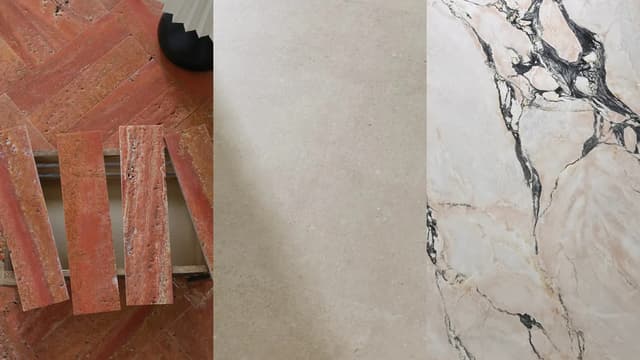
Build a range that reflects real buying budgets without creating unnecessary stock duplication.
For each price tier, define:
- Target customer and application
- Product and finish expectations
- Required technical performance
- Packaging and branding level
- Selling price, landed cost, dealer margin, and promotion allowance
- Expected inventory turn
- Reorder quantity and lead-time risk
Do not reduce a specification below what the application or regulation requires. Value engineering should remove unnecessary cost, not necessary performance.
9. Calculate Landed Cost and Logistics Risk
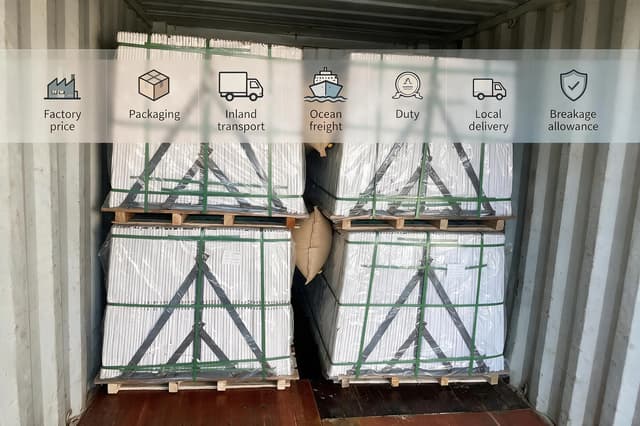
Factory price is only one component. Model:
- Product and packaging cost
- Inland transport and origin charges
- Testing, inspection, documentation, and certification
- Ocean or land freight
- Insurance
- Duties, taxes, trade remedies, and customs fees
- Destination handling and delivery
- Breakage and claims allowance
- Warehouse space and financing cost
- Slow-moving stock and clearance risk
Tariffs and trade measures can change by origin, exporter, product code, and date. Confirm classification and current charges with qualified customs professionals rather than copying an old landed-cost sheet.
10. Start With a Controlled Assortment
A disciplined launch might include:
- A core neutral range with dependable repeat demand
- A smaller number of distinctive designs for differentiation
- Wall and floor options mapped to clear applications
- A limited format plan compatible with local handling
- Samples and display boards for priority dealers
- Spare stock for projects and claims
Pilot with selected customers before expanding. Record enquiries, sample conversion, quote conversion, sales velocity, returns, damage, installer feedback, and repeated specification questions.
11. Approve the Product and the Supply Process
Market fit can be lost if later batches change unexpectedly. Agree on:
- Approved physical samples
- Shade and calibre controls
- Production and inspection records
- Test-report identification
- Packaging artwork and labels
- Pallet configuration
- Batch traceability
- Pre-shipment inspection
- Change-control communication
- Claim evidence and response workflow
A product programme is not only a design decision; it is a repeatable supply system.
Market Selection Scorecard
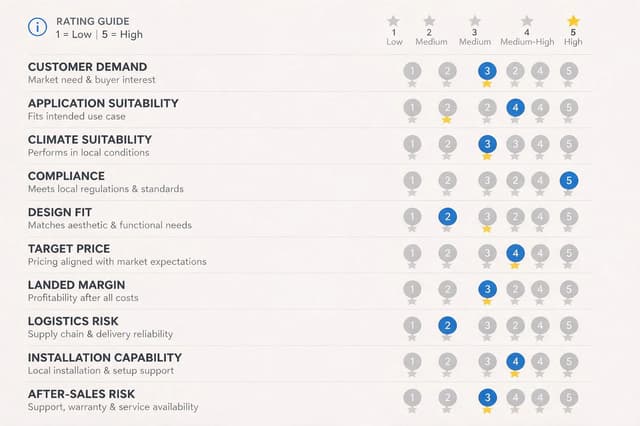
Score each candidate from 1 to 5:
Reject or redesign products with regulatory or application gaps, even if the appearance scores highly.
Common Importer Mistakes
Copying Another Country's Bestsellers
Use them as research inputs, not proof of local demand.
Ordering Too Many Similar Designs
Near-duplicate products divide inventory and make dealer selection harder.
Treating a Certificate as Universal
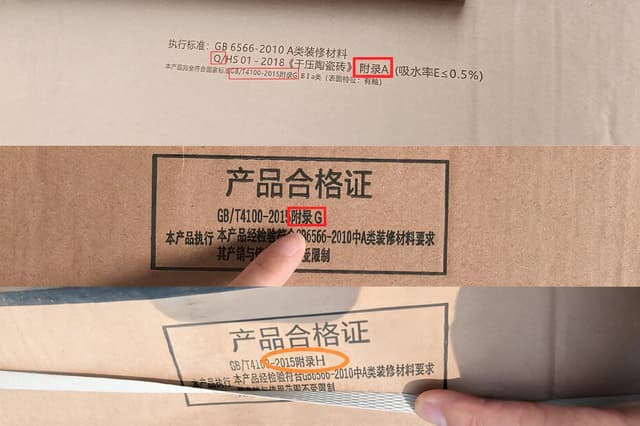
A document may apply to another standard, product, date, factory, body, size, or destination.
Ignoring Installer Capability
Formats and installation systems that exceed local capability can create breakage, callbacks, and reputational damage.
Comparing Factory Price Instead of Landed Margin
The cheapest purchase can be expensive after freight, duties, breakage, slow stock, and claims.
Frequently Asked Questions
Which tile sells best in every market?
No tile leads every market. Demand varies by application, design culture, construction practice, format, price, climate, and channel.
Should an importer choose porcelain only?
Not automatically. Build the range by application and customer need. Porcelain is useful where its low absorption and complete specification fit; other ceramic products can suit appropriate wall or floor applications.
How many designs should a new importer launch?
There is no universal number. Start with a range small enough to stock and explain properly, but broad enough to cover priority applications and price tiers. Pilot before expanding.
Does CE marking make a tile suitable worldwide?
No. CE marking relates to the applicable EU framework and declared performance. Other countries and projects can require different standards, evidence, labels, or importer actions.
What should I send a tile factory before asking for a quote?
Send the destination market, application, standard, product type, size, thickness, finish, quantity, packaging, target price level, required documents, and delivery plan.
Build a Range Your Market Can Buy and Support
Choose products through four filters: customer demand, application performance, market compliance, and commercial feasibility. A range that passes all four is easier to sell, replenish, and defend when buyers ask technical questions.
Ceraglow Building Material Co., Ltd. supports international distributors and project buyers from its Foshan manufacturing base. OEM/ODM orders start from 100 square metres per item or design, subject to product and commercial confirmation. Share your market, customer segment, target applications, formats, finishes, documents, and expected volume to discuss a focused product range.
CTA: Request a Market-Focused Tile Selection
Join the discussion
Your email address will not be published. Required fields are marked.