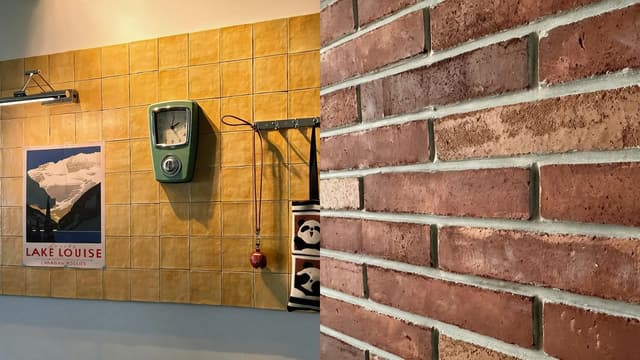
Choose porcelain or ceramic tile for walls, floors, showers, commercial spaces and exterior areas using application, test data and installation requirements.
Choosing porcelain or ceramic tile starts with the application, not the category name. An interior feature wall, a residential floor, a shower and an exterior terrace expose tile to different traffic, water, contaminants, temperature and installation conditions.
Use this guide to define the project brief, identify the evidence to request and shortlist products that fit the intended area.
Start with five project questions
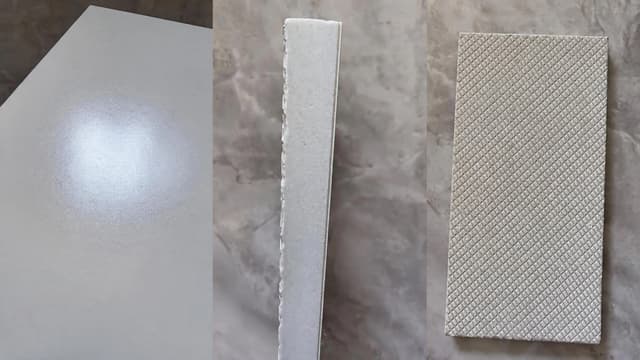
Before comparing samples, record:
- Is the tile for a wall or a floor?
- Will the area stay dry, become wet or face standing water?
- What traffic, impact and cleaning conditions are expected?
- Is the site exposed to exterior weather or freeze-thaw cycles?
- Which market standards and installation rules apply?
These answers matter more than a general claim that one material is “better.”
Interior walls
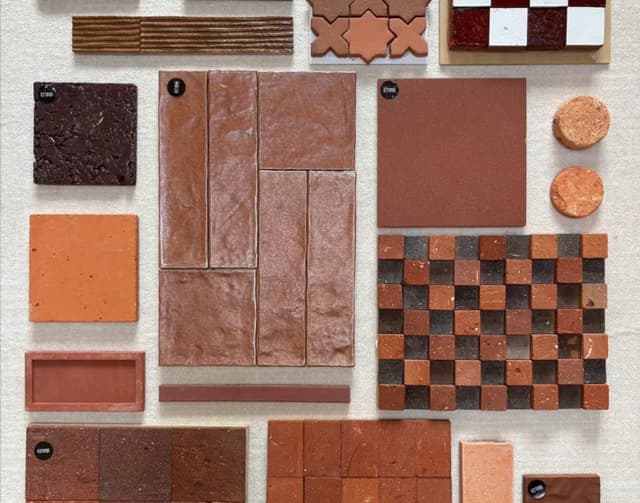
Both porcelain and other ceramic tile can work on interior walls when the product is declared for that use. Ceramic wall tile is often attractive for kitchens, bathrooms and hospitality interiors because it can offer colour, gloss, relief and small decorative formats. Its lower weight and easier cutting may also simplify installation.
Porcelain can be selected when the design requires a coordinated wall-and-floor range, a particular format or a denser body. Check weight, substrate capacity, fixing method and edge details, especially for large formats.
View current options in Indoor Tiles.
Residential floors

For floors, do not select by water absorption alone. Confirm that the exact model is intended for flooring and review breaking strength, thickness, surface wear, finish and installation requirements.
Porcelain is commonly used for residential floors, but an appropriately rated ceramic floor tile can also perform well. Consider room use, furniture loads, transitions, substrate movement and maintenance. The related article Porcelain vs Ceramic Tile: 6 Key Differences Explained provides the underlying material comparison.
Bathrooms and showers
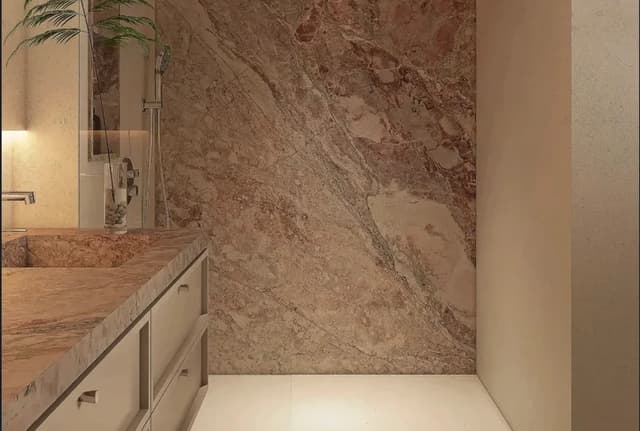
The query “ceramic or porcelain tile for shower” has a simple starting answer: either category may be suitable when the selected product, surface and installation system match the wet-area brief.
For walls, verify the declared application, size, weight and fixing system. For floors, review wet-use classification, surface texture, slope, drainage and cleaning. TCNA explains that DCOF and slip resistance are not synonymous and that contaminants, footwear, slope and maintenance affect slip risk. Use its DCOF FAQ as a technical reference.
Tile and grout do not replace a correctly designed waterproofing system. Coordinate the substrate, membrane, penetrations, joints and drainage before installation.
Commercial floors

Commercial floors can experience concentrated foot traffic, wheeled loads, tracked dirt, frequent cleaning and spills. Ask for evidence relevant to the selected tile and finish, including breaking strength, abrasion or wear information and the declared area of use.
ISO 10545-4 specifies a method for determining modulus of rupture and breaking strength for ceramic tile. Test results still need to be interpreted with the tile’s size, thickness, support and installation conditions.
For restaurants, retail, transport or other demanding spaces, provide the supplier with an accurate operational brief instead of requesting “commercial grade” without defined criteria.
Exterior and freeze-thaw areas
Low absorption can support exterior selection, but porcelain is not automatically approved for every exterior condition. Confirm the manufacturer’s declared use, climate exposure, freeze-thaw evidence, surface, drainage and installation design.
TCNA’s frost-resistance guidance notes that even frost-resistant tile can be damaged when water enters grout joints or voids and freezes. The complete assembly matters.
Read How Water Absorption Affects Tile Specification before approving products for wet or exterior projects.
A practical buyer decision table
| Application | Good starting direction | Evidence to confirm |
|---|---|---|
| Interior decorative wall | Ceramic or porcelain | Declared wall use, size, weight, finish |
| Residential floor | Rated ceramic floor tile or porcelain | Strength, thickness, wear, surface, installation |
| Shower wall | Ceramic or porcelain | Wet-area suitability, fixing and waterproofing system |
| Shower floor | Product rated for the exact wet use | Surface-use classification, drainage and maintenance |
| Commercial floor | Product selected for defined traffic | Strength, wear, finish and operational conditions |
| Exterior freeze-thaw area | Product specifically approved for exterior exposure | Absorption, freeze-thaw evidence, drainage and system design |
What to request from a tile supplier

Ask for the product code, size, thickness, finish, declared area of use, water-absorption classification and test method. Add strength, surface-wear, wet-use or freeze-thaw evidence where the project requires it.
Check that each document identifies the tested specimen and can be matched to the proposed product. A generic company certificate does not prove the performance of every model. Review Ceraglow’s quality-control approach for the role of approved samples, inspection and shipment checks.
Short FAQ
Is porcelain better for bathroom floors?
It is a common option, but the exact finish and wet-use evidence matter. Porcelain classification alone does not establish slip performance.
Can ceramic tile be used on a floor?
Yes, when the manufacturer declares that specific product suitable for floors and the specification matches the project.
Is porcelain the only exterior tile?
No. TCNA notes that some non-porcelain tiles are rated for exterior use. Verify the individual product and installation system.
Send the project brief before requesting a quote
For a useful shortlist, include the application, destination market, tile size, finish, quantity, traffic, wet or exterior exposure and required standards. Ceraglow can then review relevant models, samples and supporting information for your distribution or project enquiry.
Written by Ceraglow Product R&D Department. Reviewed by Ceraglow Content Review Department.
Join the discussion
Your email address will not be published. Required fields are marked.