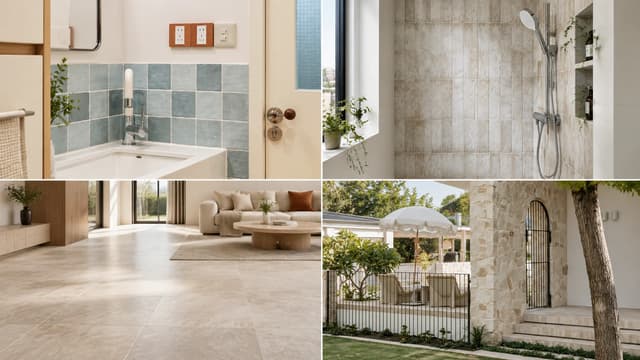
Choose wall and floor tile for bathrooms, kitchens, residential floors, commercial interiors and exterior areas using an application-first checklist.
The right tile depends on where it will be installed and what that surface must withstand. A kitchen splashback, shower floor, hotel entrance and exterior terrace may all use ceramic tile, but they require different product evidence and installation decisions.
This guide turns the application into a practical buying brief. If you first need the basic product differences, read Wall Tile vs Floor Tile: Key Differences.
Start with seven application questions
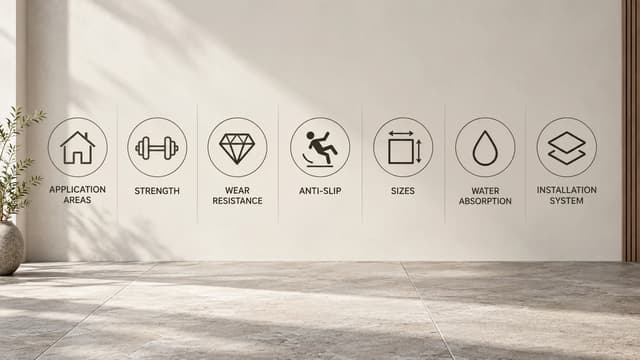
- Is the surface a wall or floor?
- Is it interior, exterior or permanently immersed?
- Will it stay dry, become wet or collect contaminants?
- What traffic, loads and wear are expected?
- Which size, weight and surface suit the space?
- What substrate and installation system will be used?
- Which standards and project requirements apply?
Write the answers before comparing catalogues. This prevents an attractive sample from becoming the specification by default.
Bathroom walls
Bathroom walls usually prioritise cleanability, design, format, weight and compatibility with the wet-area assembly. Glazed ceramic wall tile and porcelain tile can both be suitable when the exact product is declared for the location.
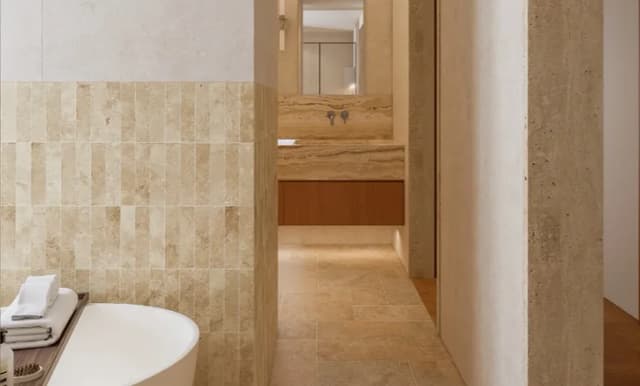
Separate general bathroom walls from shower enclosures. In a shower, coordinate the tile with the substrate, waterproofing membrane, penetrations, movement joints, mortar and grout. Tile and grout are not a substitute for waterproofing.
For large formats, confirm substrate flatness, handling, cutting and coverage. For small decorative tiles, review sheet mounting, joint consistency and cleaning requirements.
Bathroom and shower floors
A wet bathroom floor adds water, soap, cleaning products, bare feet, slope and drainage to the brief. Confirm that the exact product and finish are intended for the specific wet-use condition.
Do not use colour or a general description such as matt to infer slip performance. TCNA notes that DCOF is only one part of surface selection; contaminants, footwear, slope, drainage, maintenance and use also affect risk.
Small-format mosaic can help follow slopes and create more grout joints, but that does not automatically approve every mosaic for a shower floor. Confirm the tile, backing, adhesive, grout and waterproofing system. Browse small-format mosaic tile options only after defining the project requirements.
Kitchen walls and splashbacks
Kitchen wall tile should tolerate routine cleaning and the expected cooking environment. Review stain resistance, chemical exposure, grout maintenance, edge finishing and the effect of relief on cleaning.
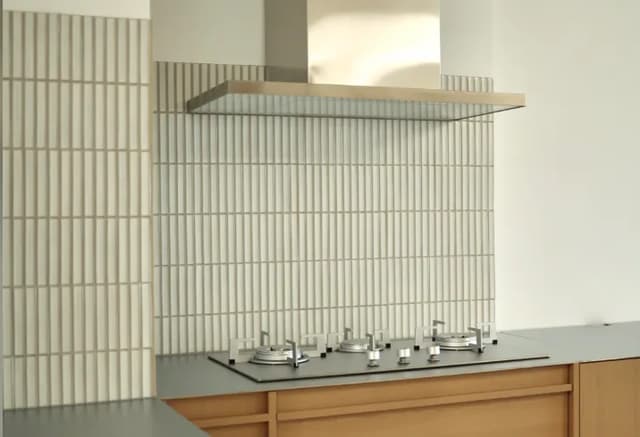
Decorative glazed ceramic and small-format tile can work well because walls do not face floor traffic. Behind cooktops or in commercial kitchens, confirm local fire, heat, hygiene and installation requirements rather than relying on a residential example.
Residential floors
For living rooms, corridors and bedrooms, define traffic, furniture loads, cleaning routine, substrate and desired maintenance. Confirm floor use, strength, thickness, wear information and surface finish for the exact model.
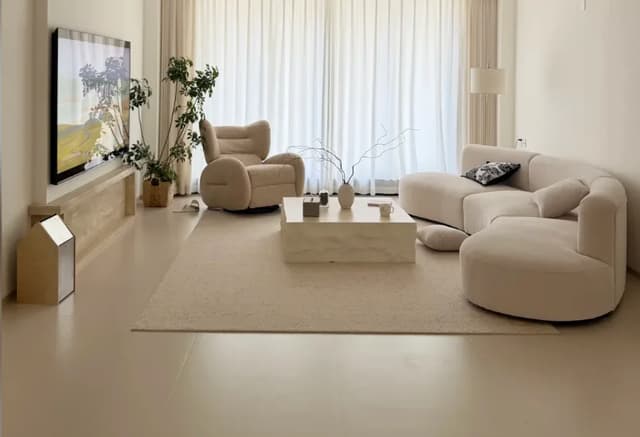
Large formats can reduce visible joints, but they increase handling demands and sensitivity to substrate flatness. Coordinate tile size with room dimensions, cutting layout, movement joints, access and installer capability.
Porcelain is common, but it is not the only possible floor material. A ceramic floor tile with suitable product evidence may fit the brief. Compare the underlying categories in Porcelain vs Ceramic Tile: 6 Key Differences.
Commercial and high-traffic floors
Commercial floors may face concentrated foot traffic, rolling loads, tracked dirt, spills and frequent cleaning. A broad label such as commercial grade does not define these conditions.
Record the operating environment and request evidence relevant to it:
- declared floor and traffic use;
- breaking strength or load information;
- glazed or unglazed wear information;
- surface-use classification for expected contaminants;
- chemical and stain resistance where required;
- size, thickness, shade and calibre controls;
- replacement stock and batch strategy.
Entrance design, mats, cleaning and maintenance remain part of the completed floor's performance.
Exterior floors
Exterior areas combine water, temperature movement, sunlight, dirt and local climate. In freeze-thaw regions, low water absorption can support product selection, but it does not guarantee a successful assembly.
TCNA explains that even frost-resistant tile can be damaged when water enters grout joints or setting-bed voids and freezes. Confirm manufacturer-declared exterior use, applicable freeze-thaw evidence, slope, drainage, substrate, mortar, coverage and movement joints.
Hot climates introduce different issues, including thermal movement, high substrate temperatures and installation timing. Review the complete system with the project professional and installer.
Exterior walls and facades
Facade tile selection must account for height, wind, weather, movement, substrate and fixing design. A floor-rated porcelain tile is not automatically a facade system.
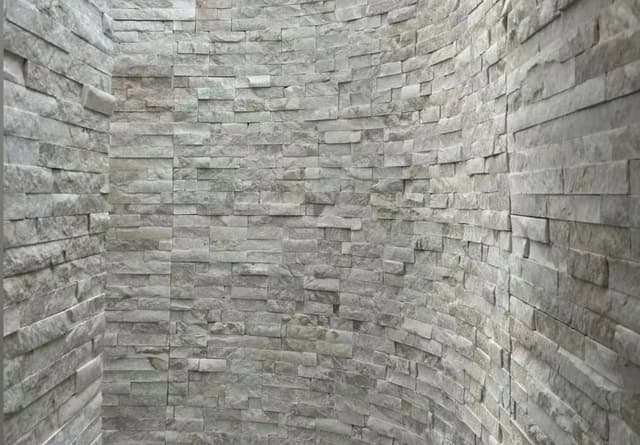
Confirm the maximum supported format and weight, adhesive or mechanical fixing requirements, joint layout, local code and engineering responsibilities. Project-specific design is especially important for large-format and high-level installations.
Pools and immersed areas
Pools expose the assembly to continuous water, treatment chemicals, cleaning, movement and specialised detailing. Confirm suitability for immersion for every component: tile, backing, membrane, adhesive, grout and joints.
Water absorption describes the tested tile body. It does not approve the complete pool system. Request product-specific documents and follow the project's specialist specification.
Application decision table
| Application | Selection priority | Common mistake |
|---|---|---|
| Interior dry wall | Weight, fixing, design and cleanability | Ignoring substrate capacity |
| Shower wall | Wet-area system, fixing and maintenance | Treating tile as waterproofing |
| Shower floor | Wet-use surface, drainage and system compatibility | Assuming matt means safe |
| Residential floor | Floor use, strength, wear and format | Choosing by thickness alone |
| Commercial floor | Defined traffic, contaminants and replacement plan | Using a vague commercial-grade label |
| Exterior floor | Climate, water management and movement | Using absorption as the only criterion |
| Pool | Immersion suitability and complete system | Approving tile without the assembly |
What to send a tile supplier
Provide the wall or floor location, interior or exterior exposure, wet condition, traffic, contaminants, destination market, required standards, preferred size and finish, quantity and installation constraints. Ask the supplier to identify the exact model and supporting documents.
Review an approved sample and connect it to the production specification. Before shipment, verify product code, shade, calibre, dimensions, finish, packaging and required reports.
Frequently asked questions
Should bathroom wall and floor tile match?
They can coordinate without being the same technical product. Select each surface by its performance needs, then align colour, pattern and format.
Which tile is best for a commercial entrance?
There is no universal answer. Define traffic, tracked contaminants, cleaning, rolling loads and maintenance, then compare products using the relevant evidence.
Is low water absorption enough for exterior tile?
No. Confirm exterior use, climate and freeze-thaw evidence where relevant, plus drainage, substrate, movement and installation design.
Turn the application into a written brief
The most reliable selection process starts with conditions, not catalogue labels. A written application brief helps the buyer, supplier, project professional and installer evaluate the same requirements.
Join the discussion
Your email address will not be published. Required fields are marked.