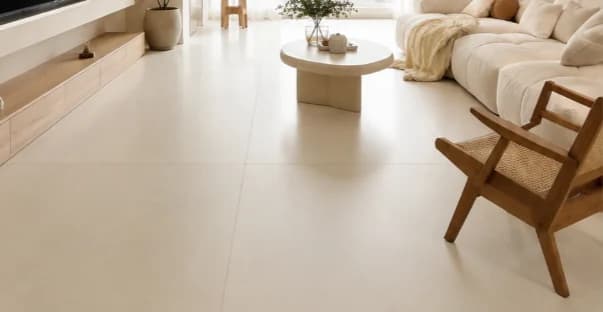
A practical guide to selecting and specifying large format porcelain tile for residential, commercial and hospitality interiors.
Large format porcelain tile can create broad, continuous surfaces with fewer grout joints. That visual simplicity increases the importance of dimensional control, substrate preparation, handling and installation planning. A buyer should therefore compare more than colour and nominal size.
This guide explains the information importers, distributors and project teams should confirm before approving a large-format collection.
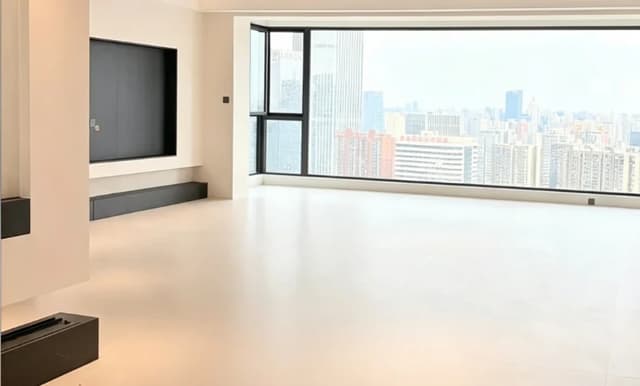
What Counts as Large Format Tile?
Definitions vary by market and installation standard. For practical product classification, we generally describe a tile as large format when its face area is greater than a 600 × 1200 mm tile. Common large-format sizes include 1000 × 1000, 1200 × 1200, 750 × 1500, 900 × 1800, 1200 × 2400 and 1200 × 2700 mm.
This is a useful sourcing guideline rather than a universal technical threshold. As tile dimensions increase—particularly with long slabs—handling, substrate flatness, mortar coverage, layout, lifting equipment and installation planning become more demanding. The installation method should therefore be selected according to the actual tile dimensions, thickness, weight, substrate and local requirements.
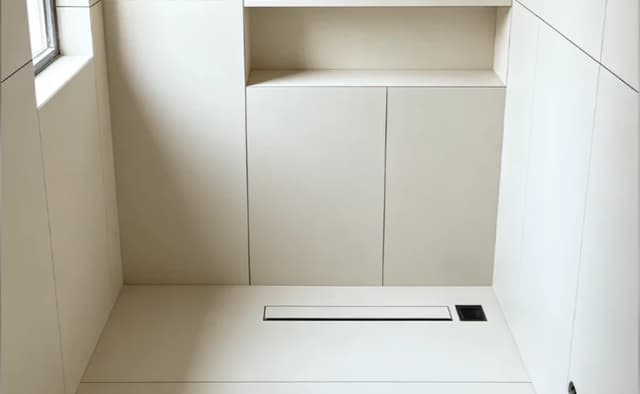
For product comparison, record:
- nominal and actual dimensions;
- thickness and weight per piece;
- rectified or non-rectified edges;
- surface flatness and dimensional tolerances;
- finish, shade variation and pattern repeat;
- pieces, square metres and weight per carton.
ISO 10545-2 describes methods for determining ceramic-tile dimensions, straightness, rectangularity, surface flatness and surface quality. Request test information that corresponds to the exact product and production specification.
Match the Format to the Application
Large format floor tile is used in residential living areas, hotel interiors, retail spaces and other broad surfaces. Large format wall tile may be selected for bathrooms, reception areas and feature walls. The same size is not automatically suitable for every application.
Define traffic, water exposure, contaminants, cleaning, lighting, movement joints and expected service conditions. For wet or walking surfaces, review the product's declared use and applicable performance information. Do not infer suitability from a stone-look or matt appearance.
Browse Ceraglow's indoor floor tiles and indoor wall tiles after the project conditions are defined.
Surface Flatness Matters Twice
Buyers should distinguish tile flatness from substrate flatness. Dimensional testing evaluates the manufactured tile. Installation standards address the condition of the wall or floor receiving it. Both affect the finished surface.
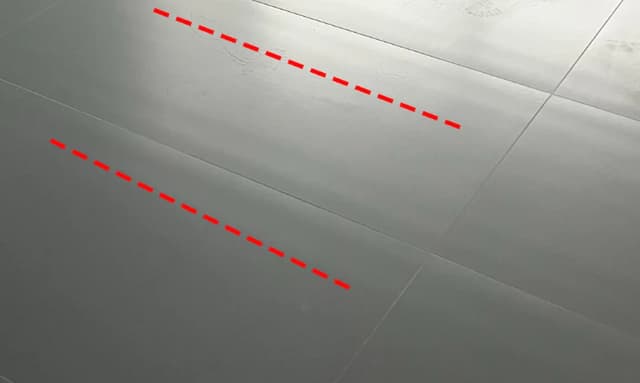
Long edges can make uneven substrates, poor mortar coverage and lippage more visible. Running-bond offsets may also require special attention for elongated formats. The TCNA Handbook for Ceramic, Glass, and Stone Tile Installation includes information on substrate flatness, grout joints, patterns and recognised installation methods.
Use a qualified designer and installer to select the complete system. The tile supplier should not be asked to replace project-specific substrate or installation engineering.
Evaluate Finish, Pattern and Lighting
Polished surfaces reflect windows, lamps and adjacent objects, making alignment and flatness more noticeable. Matt or structured surfaces reduce reflection but may have different cleaning requirements. Review the guide to matte versus polished tile before choosing a finish.
For marble-, concrete- or stone-look designs, lay out multiple pieces to evaluate face variation and pattern repetition. A single digital image cannot show how the design works across a large floor. Approve a sample panel or dry layout when the visual result is critical.
Plan Packing and Handling Before Ordering
Large tiles need a packing and handling plan appropriate to their size and weight. Confirm carton orientation, pieces per carton, pallet dimensions, gross weight, protection and unloading equipment. Do not calculate container quantities from square metres alone.
Before shipment, connect the approved sample with the production lot and packing records. Ceraglow's tile pre-shipment inspection checklist covers product identity, sampling, quantity, packaging and traceability checks.
Large Format Tile Specification Checklist
- Application, destination and applicable standard.
- Actual size, thickness, edge and finish.
- Shade and pattern variation expectations.
- Dimensional, flatness and surface-quality data.
- Declared wall or floor use and relevant performance data.
- Proposed layout, joint width and movement-joint plan.
- Substrate and installation-system responsibility.
- Carton, pallet, unloading and replacement-stock plan.
Frequently Asked Questions
Is large format porcelain tile harder to install?
It usually requires more planning for handling, substrate preparation, mortar coverage, alignment and lippage control. Use installers experienced with the selected format and system.
Can large format tile be used on walls?
Some products are suitable for walls, but the exact tile, substrate, fixing system, weight and local requirements must be reviewed together.
How should buyers inspect large format tile?
Check product identity, dimensions, thickness, surface, shade, flatness, edge condition, packaging and batch traceability against the approved specification.
Join the discussion
Your email address will not be published. Required fields are marked.